
Understanding Columbus Ohio Bankruptcy Laws

Understanding Columbus Ohio Bankruptcy Laws

A Guide for Business Bankruptcy

Are you a business owner in Columbus facing money troubles? Many businesses struggle with debt at some point. Columbus Ohio bankruptcy laws offer ways to help. These laws can give you a fresh start or help you reorganize your business debts.

This guide will explain your options if you’re considering bankruptcy for your Columbus business. We’ll cover what bankruptcy means for you and your company and how it might affect your future.

Quick Summary:

  • Business bankruptcy in Columbus, Ohio mainly comes in three types: Chapter 7, Chapter 11, and Chapter 13. Chapter 7 is for businesses with no future, where assets are sold to pay debts. Chapter 11 allows businesses to reorganize and keep running while repaying debts. Chapter 13 is for sole proprietors, letting them repay debts over three to five years while keeping their business open.
  • Choosing the right bankruptcy type depends on factors like business viability, debt structure, and personal guarantees. Filing for bankruptcy stops creditors from collecting debts but can hurt the business’s credit score for years. Before deciding on bankruptcy, business owners should consider alternatives like debt negotiation, asset sales, or improving business strategies.
  • The bankruptcy process involves credit counseling, filing paperwork, and meeting with creditors. A trustee may be appointed to oversee the case. Business structure affects personal liability for debts. While bankruptcy can eliminate many types of debts, having a local bankruptcy lawyer is crucial for navigating the complex process and protecting your interests.

Types of Business Bankruptcy in Columbus, Ohio

When a Columbus business finds itself in financial distress, there are primarily three types of bankruptcy to consider: Chapter 7, Chapter 11, and Chapter 13.

Chapter 7 Bankruptcy: The Liquidation Option

Chapter 7 bankruptcy, often called “liquidation” bankruptcy, is typically used when a business has no viable path forward. In this process, a court-appointed trustee sells the business assets and distributes the proceeds to creditors. While this usually results in the closure of the business, it can be an effective way to wind down operations and discharge debts.

Chapter 7 is relatively quick, often completed within a few months. Most unsecured debts are discharged, providing a clean slate for the business owner. However, it’s important to note that personal guarantees on business debts may remain, potentially affecting the owner’s finances.

Chapter 11 Bankruptcy: Reorganization and Restructuring

For businesses with a realistic chance of becoming profitable again, Chapter 11 bankruptcy offers a path to reorganization. This type of bankruptcy allows companies to restructure their debts while continuing operations. Although it can be a complex and costly process, it may be the best option for companies with a viable future.

During Chapter 11 bankruptcy, the business continues to operate while creating a reorganization plan to repay creditors over time. This process can be used to renegotiate leases, contracts, and other obligations. For small businesses, there’s a streamlined process called Subchapter V, which can make Chapter 11 more accessible and less costly. Corporations and partnerships seeking bankruptcy protection should consider this since it offers benefits similar to Chapter 13.

Chapter 13 Bankruptcy: A Lifeline for Sole Proprietors

For sole proprietors in Columbus, Chapter 13 bankruptcy can be a valuable option. This type of bankruptcy is beneficial for small business owners who operate as sole proprietors because it doesn’t separate personal and business debts. In a sole proprietorship, the owner and the business are considered the same entity for legal and tax purposes.

Here’s how it works: For example, John, who owns “John’s Plumbing,” falls behind on supplier payments. When filing for Chapter 13, John won’t use his business name. Instead, he’ll file under his name, John Smith, and include his personal and business debts in the plan. He can then use income from his plumbing business to fund the three-to-five-year repayment plan.

In Chapter 13, you can keep your business assets and potentially pay only a fraction of unsecured debts like credit cards or unpaid invoices. You might even be able to reduce some secured debts to the property value. That allows many sole proprietors to keep their businesses running while getting their finances back on track.

If you own a corporation or partnership, you can’t file Chapter 13 for the business itself. However, as the owner, you can file Chapter 13 personally to manage your debts, including any business debts you’ve guaranteed. Given the complexity of these options, it’s best to consult with a bankruptcy lawyer to determine the best path for your situation.

Choosing the Right Bankruptcy Option for Your Columbus Business

Deciding between Chapter 7, Chapter 11, and Chapter 13 depends on several factors. Business owners should consider the viability of their business, the structure of their debt, any personal guarantees on business loans, the business structure (sole proprietorship, LLC, corporation), and asset protection needs.

If the business has a realistic chance of recovery and the owner wants to maintain control, Chapter 11 might be the appropriate choice. For sole proprietors who want to keep their business running while reorganizing debts, Chapter 13 could be ideal. On the other hand, if the business is no longer viable and the owner wants to discharge debts quickly, Chapter 7 could be the better option.

The Impact of Bankruptcy on Your Columbus Business

Filing for bankruptcy will have significant consequences for a business. It’s crucial to understand these impacts before making a decision:

  • Automatic Stay: Upon filing, an automatic stay goes into effect, immediately stopping most collection actions against the business. That provides temporary relief from creditor pressure.
  • Credit Impact: The business’s credit will be negatively affected for years, making it more difficult to obtain credit in the future.
  • Disclosure Requirements: The bankruptcy process requires detailed financial disclosures to the court, which can be time-consuming and potentially reveal sensitive information.
  • Contracts and Leases: Bankruptcy may provide an opportunity to reject unfavorable contracts or leases, potentially reducing ongoing expenses.

Alternatives to Bankruptcy for Columbus Businesses

Before deciding on bankruptcy, Columbus business owners should consider alternatives that might help avoid filing:

  • Debt Negotiation: Working directly with creditors to reduce or restructure debts can sometimes provide relief without needing to file for bankruptcy.
  • Asset Sales: Selling non-essential assets could help raise funds to pay debts and keep the business operational.
  • Business Turnaround Strategies: Implementing cost-cutting measures or finding new revenue streams might help avoid bankruptcy.
  • Dissolution: In some cases, it may be possible to close the business without filing for bankruptcy, especially if debts are manageable.

The Bankruptcy Process for Columbus Businesses

If a Columbus business owner decides to file for bankruptcy, here’s a general overview of the process:

  • Credit Counseling: Before filing, the business must complete a credit counseling course from an approved provider.
  • Filing the Petition: An attorney will prepare and file the necessary documents with the bankruptcy court.
  • Automatic Stay: This goes into effect immediately upon filing, providing temporary relief from creditors.
  • Appointment of Trustee: In Chapter 7, a trustee is appointed to oversee the liquidation. In Chapter 11, the business owner usually remains in control as a “debtor in possession.” In Chapter 13, a trustee is appointed to administer the repayment plan.
  • Meeting of Creditors: The business owner must answer questions about the business’s financial affairs under oath.
  • Plan Confirmation (Chapters 11 and 13): If filing Chapter 11 or 13, the reorganization or repayment plan must be approved by the court and creditors.
  • Discharge: In Chapter 7, this typically occurs a few months after filing. In Chapters 11 and 13, it happens when the plan is substantially consummated.

Protecting Personal Assets in a Business Bankruptcy

For small business owners in Columbus, personal liability for business debts is often a significant concern. The level of protection depends largely on the business structure. Sole proprietors are personally liable for business debts, while corporations and LLCs provide some protection.

However, even with a corporation or LLC, personal guarantees on business loans can still leave owners personally liable. It’s also crucial to avoid commingling personal and business funds, as this can put personal assets at risk. In some cases, filing for personal bankruptcy may be necessary to protect personal assets.

What Debts Does the Bankruptcy Discharge Eliminate?

A bankruptcy discharge in a personal bankruptcy wipes out your liability for most types of debts. The following are the most common debts a bankruptcy discharge will eliminate:

  • Credit card debt
  • Medical bills
  • Personal loans
  • Back rent
  • Utility bills

Note: This is not a detailed list and the types of debts you can discharge in bankruptcy. The type of debt also depends on whether you file for Chapter 7 or Chapter 13 bankruptcy.

Why Do I Need a Columbus Ohio Business Bankruptcy Lawyer?

Filing for business bankruptcy in Columbus, Ohio can be tricky. While you can file by yourself, having a Columbus Ohio business bankruptcy lawyer can help. Here’s why:

  • They Know Local Laws: A local lawyer understands Columbus Ohio bankruptcy laws and how they affect your business.
  • They Make a Plan for You: Every business is different. A lawyer can create a plan that fits your company’s needs.
  • They Handle the Paperwork: Bankruptcy involves a lot of forms and due dates. A lawyer makes sure everything is filled out right and turned in on time.
  • They Speak for You in Court: Your lawyer will go to court for you and talk to creditors, taking stress off you.
  • They Talk to Creditors: A lawyer can work with creditors to get better terms if you’re reorganizing your business.
  • They Stop Creditor Calls: When you have a lawyer, creditors will talk to them instead of you, meaning fewer annoying calls and letters.
  • They Help Plan for the Future: A good lawyer doesn’t just help with your current debt. They also help you plan for your business’s future after bankruptcy.
  • They Help You Avoid Mistakes: There are many ways to mess up in bankruptcy. A lawyer helps you avoid these problems.
  • They Give You Peace of Mind: Having a lawyer guide you through this tough time can help you feel more at ease. That lets you focus on running your business.

Remember, what you do during bankruptcy can affect your business and personal finances for a long time. Having a business bankruptcy lawyer in Columbus, Ohio, can help you make good choices throughout the process.

Take Control of Your Financial Future

Navigating business bankruptcy in Columbus, Ohio can be complex and challenging. While bankruptcy can provide a fresh start or a path to reorganization for struggling businesses, it’s not a decision to be taken lightly. The choice between Chapter 7, Chapter 11, and Chapter 13 bankruptcy depends on your specific situation, including your business structure, financial state, and future goals.

Remember, bankruptcy is not the end of the road, but rather a tool to help you manage overwhelming debt and potentially save your business. It’s crucial to consider all your options, including alternatives to bankruptcy, before deciding. Each path has implications for your business’s future, finances, and credit.

It’s essential to seek professional guidance given the complexity of bankruptcy laws and the significant impact on your business. Our attorneys at Sheppard Law Offices have extensive experience in both business bankruptcy and tax law. We can help you understand your options under Columbus Ohio bankruptcy laws, evaluate whether bankruptcy is the right choice for your business, and determine which type of bankruptcy would be most beneficial. 

Our team can protect your rights throughout the bankruptcy process and guide you through the complexities of filing and court procedures. We also offer comprehensive tax services, including tax preparation, tax planning, and resolution of tax debts with the IRS and state tax authorities.

Don’t wait until it’s too late to take action. Early intervention can provide more options and potentially better outcomes for your business. Contact us at Sheppard Law Offices today for a free consultation to discuss your business’s financial situation and explore the best path forward. Our team can provide the guidance you need to make informed decisions about your business’s future.

What Debts Does The Bankruptcy Discharge Eliminate?

A bankruptcy discharge in a personal bankruptcy wipes out your personal liability for most types of debts. The following are the most common debts a bankruptcy discharge will eliminate:

  • Credit card debt
  • Medical bills
  • Personal loans
  • Back rent
  • Utility bills, and
  • Personal loans

Note: This is not a detailed list and the types of debts you can discharge in bankruptcy. The type of debts also depends on whether you file for Chapter 7 or Chapter 13 bankruptcy.

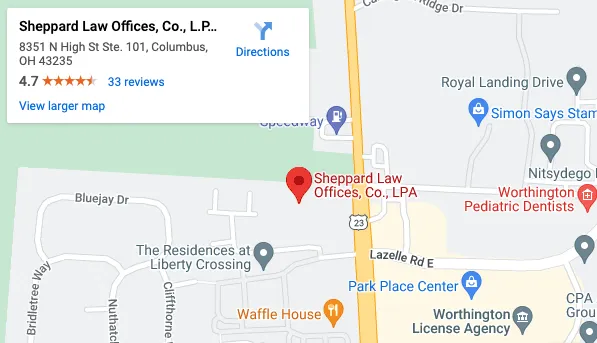
Our Columbus bankruptcy attorney office is conveniently located in Hilliard, just east of I-270 off Cemetery/Fishinger Blvd. exit. Our Newark office is conveniently located off North 21st Street in the Newark Medical and Dental Office Complex. Our Mount Vernon office is conveniently located on the northeast corner of South Mulberry Street and West Gambier Street.

We accept various options for payment, including debit and credit cards. However, please be aware that we are not permitted to accept credit card payments directly from bankruptcy clients. Contact us today to schedule your free initial consultation with one of our tax or bankruptcy lawyers. We are a debt relief agency. We help people file for protection under the U.S. Bankruptcy Code.

Schedule a FREE Consultation with us today!

By submitting your phone number and email on Sheppardlawoffices.com, you consent to being contacted by Sheppard Law Offices, for assistance with your legal needs. Your information will be kept confidential in accordance with our Privacy Policy.

  • Contact Sheppard Law

Contact Us Today

With three convenient office locations in Columbus, Newark, and Mount Vernon, the Law Offices of Kenneth L. Sheppard Jr. is always accessible to our clients. Don’t let financial stress control your life any longer. Contact us today to schedule a consultation and take the first step towards a brighter financial future. Let our experienced attorney guide you through the bankruptcy process and provide the support you need to overcome your financial challenges.

At Sheppard Law Offices, we are committed to helping you achieve financial relief and peace of mind. Reach out to us today and discover how we can help you rebuild your financial future with confidence.

By submitting your phone number and email on Sheppardlawoffices.com, you consent to being contacted by Sheppard Law Offices, for assistance with your legal needs. Your information will be kept confidential in accordance with our Privacy Policy.

© 2026 Sheppard Law Offices. All Right Reserved

Website Design by Social Firm