Discover Your Swift Lifeline to Financial Freedom
Overwhelming debt can be daunting. Many Columbus residents find themselves in this situation. For some, Chapter 7 bankruptcy offers a solution. It can provide a path to financial recovery. Columbus Ohio bankruptcy lawyers often guide residents through this process. This guide will help you understand Chapter 7 bankruptcy and how it works in Columbus.
Quick Summary:
- Chapter 7 bankruptcy wipes out most unsecured debts in about four to six months. To qualify, you must pass a means test comparing your income to Ohio’s median. While some property might be sold, many assets are protected by Ohio’s exemptions. These include home equity, car, household items, and retirement savings.
- Filing Chapter 7 involves credit counseling, paperwork, a court filing, and a meeting with a trustee. Once you file, an automatic stay stops most debt collections. After completing a financial course, you receive a discharge that erases eligible debts. Chapter 7 stays on your credit report for 10 years, but its effect usually lessens over time.
- A bankruptcy lawyer in Columbus knows local laws and court procedures. They ensure accurate filing, plan strategically, and represent you in court. Lawyers help with tricky parts like the means test and protecting assets. They also deal with creditors, explain trustee preferences, and guide you in rebuilding your finances after bankruptcy.
Understanding Chapter 7 Bankruptcy
Chapter 7 bankruptcy, commonly known as “liquidation bankruptcy,” offers debtors a fresh start by eliminating most unsecured debts. This type of bankruptcy can provide significant relief, but it’s crucial to understand its process, implications, and eligibility requirements.
Chapter 7 is called “liquidation” bankruptcy because the bankruptcy trustee may sell (liquidate) some of your property to pay back your creditors. However, many Chapter 7 filers can keep all or most of their property through bankruptcy exemptions.
Types of Debts Discharged and Not Discharged in Chapter 7
Chapter 7 typically discharges unsecured debts, which are not backed by collateral. Common examples include:
- Credit card balances
- Medical bills
- Personal loans
- Utility bills
- Some types of business debts
Certain debts cannot be discharged in Chapter 7 bankruptcy. These include most student loans, recent taxes, and child support obligations.
Timeline of Chapter 7 Bankruptcy
The Chapter 7 process is relatively quick. It is usually completed within four to six months from the filing date. That makes it one of the fastest forms of bankruptcy relief available. It allows debtors to start rebuilding their financial lives sooner.
Eligibility for Chapter 7
Federal law changes have made it more challenging to qualify for Chapter 7 bankruptcy relief. Eligibility requirements include passing the means test and having primarily consumer debts. Despite these challenges, it remains a viable option for many individuals struggling with debt.
Long-term Implications
While Chapter 7 can provide significant debt relief, it also has long-term implications for your credit score and financial options. It’s crucial to carefully consider your situation and consult with a Columbus Ohio bankruptcy lawyer before deciding to file.
The Chapter 7 Bankruptcy Process in Columbus
Chapter 7 bankruptcy in Columbus involves several key steps. Each step serves a specific purpose in resolving your debt situation. Understanding this process can help you approach your bankruptcy journey with confidence. Below is our breakdown of the Chapter 7 bankruptcy process:
- Credit Counseling: Begin by completing a mandatory credit counseling course before filing. This course provides valuable financial education.
- Document Gathering: Collect all necessary financial records. These documents are essential for preparing your bankruptcy petition accurately.
- Petition Filing: Submit your bankruptcy petition to the federal court system. Upon filing, an automatic stay takes effect, halting most collection activities from creditors.
- 341 Meeting of Creditors: Attend this meeting approximately one month after filing. Despite its name, creditors rarely appear. The bankruptcy trustee will ask you questions about your financial situation under oath.
- Financial Management Course: After filing, complete the “Pre-discharge Financial Management” course. This educational requirement aims to improve your future financial management skills.
- Discharge: The final step is receiving your discharge. This crucial moment eliminates eligible debts. It provides the fresh financial start that Chapter 7 bankruptcy is designed to offer.
Columbus Ohio bankruptcy lawyers can guide you through these steps. Their help can make your Chapter 7 process smoother. With proper guidance, you’ll be on your way to financial recovery.
Asset Protection in Chapter 7 Bankruptcy
One of the most common concerns about Chapter 7 bankruptcy is the potential loss of assets. However, Ohio law provides various exemptions that protect many important possessions during bankruptcy.
There are protections (also called “exemptions”) in place to protect critical assets, which cover various possessions. These may include some equity in your primary residence (known as the homestead exemption) and your vehicle. They often protect household goods, furnishings, and personal jewelry. Even retirement accounts and pensions can be safeguarded under these exemptions.
Given the variety of assets and debts a debtor may have, it is important to analyze the whole picture to understand which possessions are protected under these exemptions.
The Impact of Chapter 7 Bankruptcy
Chapter 7 bankruptcy offers significant debt relief, but it’s crucial to understand its long-term effects. This type of bankruptcy stays on your credit report for 10 years from the filing date. Fortunately, its impact on your credit score often diminishes over time.
Many filers start rebuilding their credit shortly after receiving their discharge. For long-term financial health, it’s essential to develop good habits post-bankruptcy. These include budgeting, saving, and using credit responsibly.
Alternatives to Chapter 7 Bankruptcy
Before deciding on Chapter 7 bankruptcy, it’s worth considering alternatives. These might include debt consolidation, debt settlement, or even Chapter 13 bankruptcy. Chapter 13 allows you to reorganize your debts rather than liquidate them. Each option has its pros and cons, and the best choice depends on your specific financial situation.
Why Do I Need a Columbus Ohio Bankruptcy Lawyer?
While it’s possible to file for Chapter 7 bankruptcy by yourself, navigating the complexities of bankruptcy law can be challenging. Here’s why working with a bankruptcy attorney can be crucial:
- In-Depth Knowledge of Local Laws: Columbus bankruptcy lawyers work daily with Ohio-specific bankruptcy exemptions. They’re also familiar with local court procedures. This knowledge is crucial for protecting your assets. Take Ohio’s homestead exemption, for instance, which safeguards a part of your home’s equity. The motor vehicle exemption can help you keep your car during bankruptcy. Lawyers understand how to apply these exemptions effectively, as their local knowledge can make a significant difference in your case outcome.
- Accurate and Complete Filing: Bankruptcy petitions involve extensive paperwork and strict deadlines. A single error or omission can lead to serious consequences, including case dismissal. For instance, failing to disclose all assets or income sources, even unintentionally, could be seen as bankruptcy fraud. An attorney ensures all forms are filled out correctly and filed on time.
- Strategic Planning: Before filing, a lawyer can help you plan strategically. That might involve timing your bankruptcy filing to maximize its benefits. Consider a scenario with a large expected tax refund. Your lawyer might advise waiting to file. They may suggest receiving the refund first. Then, they could recommend spending it on necessities before filing. This approach can help you make the most of your financial situation.
- Creditor Management: Once you have legal representation, creditors must communicate through your attorney. That provides relief from harassment and ensures any communications are handled professionally. Your lawyer can negotiate with creditors who may be challenging the discharge of certain debts.
- Means Test Assistance: The means test, which determines eligibility for Chapter 7, can be complex. It involves two main steps: you calculate your average income over the past six months, and then you compare this figure to the Ohio median income for your household size. A lawyer can help you navigate this test, ensuring all allowable expenses are included to increase your chances of qualifying.
- Court Representation: Your attorney will represent you at the 341 Meeting of Creditors. They’ll prepare you for potential questions beforehand. During the meeting, they’ll handle any objections from creditors. They’ll also address any concerns the trustee might have. Sometimes, adversary proceedings may arise. For instance, a creditor might challenge the dischargeability of a debt. In such cases, your lawyer will represent your interests in court. Their presence ensures your rights are protected throughout the legal process.
- Long-term Financial Planning: A good bankruptcy lawyer offers more than just filing assistance. They can advise on rebuilding your financial health after bankruptcy. This guidance covers several areas. They can show you how to reestablish credit. They’ll inform you when you might become eligible for mortgages or car loans. Additionally, they can provide tips on avoiding future financial pitfalls. Their advice aims to set you on a path to long-term financial stability.
- Handling Non-Dischargeable Debts: Not all debts can be discharged in bankruptcy. Some debts, like student loans, recent taxes, or child support, often remain. A knowledgeable attorney can advise you on handling these debts. For student loans, they might suggest income-driven repayment plans. For tax debts, they could recommend an offer-in-compromise. These strategies can help manage debts that survive bankruptcy. Your lawyer will tailor their advice to your specific situation.
- Asset Valuation: Properly valuing your assets is crucial in bankruptcy. Overvaluing could lead to unnecessary asset loss, while undervaluing could be seen as fraud. Attorneys often work with professional appraisers to ensure accurate valuations.
- Local Trustee Insights: Each bankruptcy trustee handles cases differently. Columbus bankruptcy lawyers interact regularly with local trustees. Through these interactions, they learn the trustees’ preferences. They also become familiar with their procedures. This knowledge is valuable since it can help your case proceed more smoothly. Your lawyer can anticipate potential issues and prepare accordingly.
Remember, bankruptcy is a significant decision. It has both financial and legal implications. These effects can last for years. Columbus Ohio bankruptcy lawyers can be valuable assets since they can make the process more manageable for you. Their experience may also lead to better outcomes. That can positively impact your long-term financial health. Consider seeking professional legal help when facing bankruptcy.
Act Now and Take Control of Your Financial Future!
Chapter 7 bankruptcy can offer a fresh start for those struggling with overwhelming debt in Columbus, Ohio. While the process may seem daunting, understanding the steps involved and seeking professional guidance can make it more manageable. Remember, bankruptcy is not the end of your financial story, but rather a new beginning.
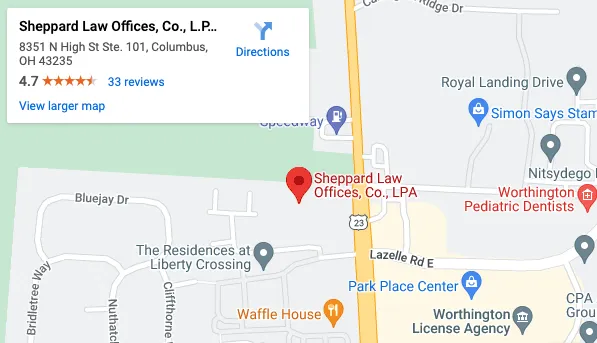
If you’re considering Chapter 7 bankruptcy in Columbus, Ohio, don’t face this challenging time alone. The bankruptcy lawyers at Sheppard Law Offices are here to guide you through the process and help you achieve financial freedom.
We handle Chapter 7 bankruptcy cases and tax problem resolutions at our multiple Ohio locations. Our offices are handicap accessible, and we offer various payment options to suit your needs.
Contact Sheppard Law Offices today to schedule your free consultation. Let our Columbus Ohio bankruptcy lawyers help you take the first step toward a brighter financial future.